Est. 1986 | Nevada | 77,180 acres
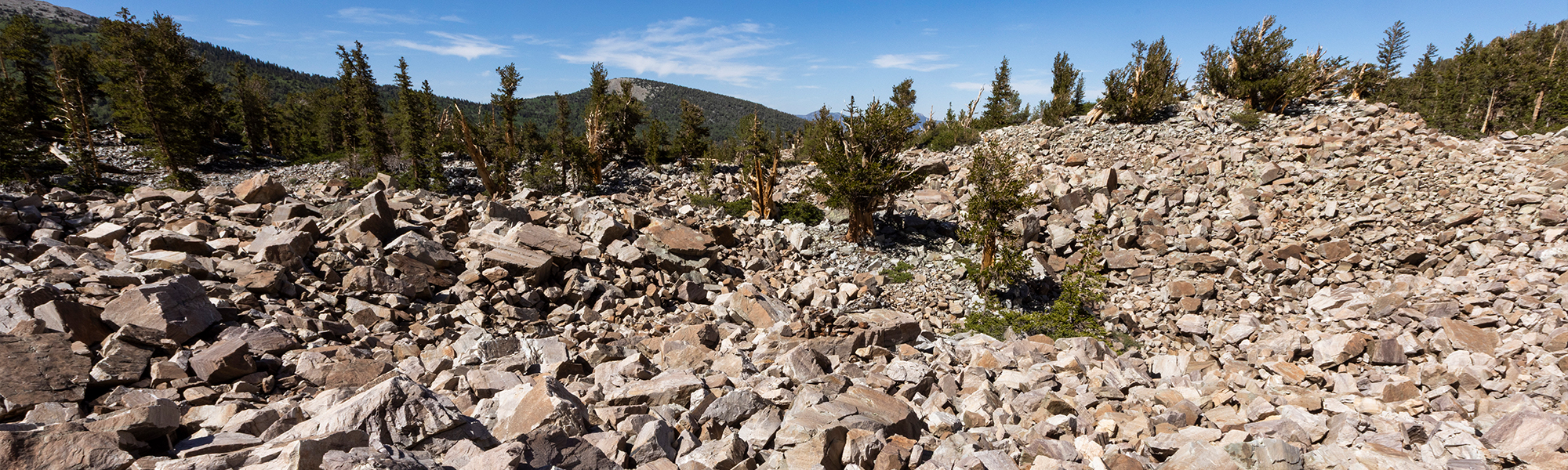
America’s Great Basin, is a region so large it nearly swallows the state of Nevada. No water flows out of this giant bowl. But isolated, and brimming with natural wonders, Great Basin National Park offers a striking contrast to Nevada’s desert reputation. From the dark depths of Lehman Caves to the alpine heights of Wheeler Peak, the park showcases its ancient and iconic bristlecone pine forests, a keystone species rarely found elsewhere in the Lower 48.
Located in eastern Nevada near the Utah border, Great Basin is a remote destination—one of the least visited national parks in the U.S.—yet rewards travelers with pristine wilderness, remarkable biodiversity, and some of the darkest night skies in the country. Whether you’re climbing peaks, exploring marble caves, or simply gazing at the stars, Great Basin offers quite a spectacular experience far from crowds.
The park has many roads, but Highway 488 in the northeast is the only paved access point to venture up into the mountains. From here, Wheeler Peak Scenic Drive delivers visitors up to 10,000 feet of elevation at the heart of the park. All other avenues are unpaved, some requiring high-clearance 4WD vehicles. However, these dirt roads lead to secondary attractions, while all notable landmarks can be reached along Highway 488 and Wheeler Peak Scenic Drive.

Must-see highlights in Great Basin National Park
1
Bristlecone and Glacier Trail—This is quite easily the most stunning trail in the park. A moderate 2.8-mile round-trip hike beginning at the Wheeler Peak trailhead leads visitors to a grove of Great Basin bristlecone pines—some of the oldest living organisms on Earth, with individual trees over 3,000 years old. Continue on past the grove for commanding views of Wheeler Peak and an up-close encounter with Nevada’s last standing glacier.
2
Wheeler Peak Trail—This strenuous 8.6-mile round-trip hike climbs to Wheeler Peak (13,065 ft), the second-highest point in Nevada, offering panoramic views of the surrounding Great Basin region. The trail gains over 2,900 feet of elevation and passes through subalpine forests and rocky tundra. This route is best attempted in late June–August when snow has melted from high elevations.
3
Lehman Caves—This marble cave system is the park’s most popular feature and can only be visited by guided tour. Stalactites, stalagmites, cave shields, and flowstone formations make the cave a stunning underground wonder. Tours range from 30–60 minutes and must be reserved in advance through Recreation.gov.
4
Alpine Lakes Loop—Often combined with the Wheeler Peak Trail or the Bristlecone Trail, this 2.7-mile loop connects Stella Lake and Teresa Lake, two glacial tarns nestled below Wheeler Peak. It’s an easy-to-moderate trail with great scenery, especially in early morning light or fall colors.
Best time to visit Great Basin National Park
Great Basin National Park is open year round, but with nearly 8,000 feet of elevation from the valley floor to the summit of Wheeler Peak, the climate can vary greatly. Adding to this, the arid climate causes temperatures to fluctuate dramatically from day to night, making snow possible any time of the year at high elevations. However, in stark contrast to these unstable conditions, the Lehman Caves offer a consistent 50ºF atmosphere year round.
- Spring (April to June): Lower elevations begin to bloom in April, but snow remains on higher trails into mid-June. Spring is a great time for cave tours and desert wildflowers. Temperatures vary from 40–70°F. Wheeler Peak Scenic Drive usually opens fully in mid-May or late–June depending on snowpack.
- Summer (July to August): Summer bursts with activity as visitors take advantage of the short window of accessibility. Peak tourist season for hiking and camping begins in late-June and early July. All roads and high-elevation trails are typically open and daytime highs range from 55–75°F at higher elevations (though it’s generally warmer in the lower foothills). Alpine nights can drop to near-freezing in early-July and late-August. Afternoon thunderstorms are common and can bring snow flurries during a temperature drop.
- Fall (September to October): Crisp weather, fewer crowds, and ideal stargazing conditions define autumn in Great Basin. Stunning foliage from aspens and cottonwoods grace the mountainsides in mid- or late-September. Higher elevation trails and Wheeler Peak Scenic Drive may close due to early snow by late October.
- Winter (November to April): Come winter, snow blankets the mountains, and much of the Wheeler Peak Scenic Drive is closed, open only at very low elevations. Trails are open, but limited to snowshoeing and backcountry skiing when conditions are right. The constant 50ºF temperature in Lehman Caves makes a great escape from the snowy scene outside.
How long should I visit Great Basin National Park?
Though large in size, only a small portion of Great Basin is accessible to most visitors, making 2–3 days ideal for visiting the park. Allow one day to thoroughly explore the high-alpine Wheeler Peak trails and a second day to tour Lehman Caves and the less-visited Baker Creek trail system. Spending a night in the park offers the chance for stargazing. And for the adventurous, consider holding a third day open to summit Wheeler Peak.
Getting to Great Basin National Park
Great Basin is one of the most remote national parks in America. Salt Lake City, Utah, is the nearest major city at nearly 200 miles away. In fact, Highway 50 running right past the park is dubbed “The Loneliest Road in America” as it sprawls over open land and through sparse towns. Baker, Nevada, the park’s gateway town is accessible along U.S. Route 50 from the east and west, and along UT-21 from the South. Once in Baker, follow Highway 488 to the west. This road will enter the park and lead to Lehman Caves Visitor Center and Wheeler Peak Scenic Drive.
If flying to the region, Salt Lake City International Airport (SLC) and Harry Reid International Airport (LAS) in Las Vegas are the best options for major commercial airlines. However, be prepared to rent a car and drive roughly 5 hours to the park.
Because of its remote nature, consider combining a trip to Great Basin with a trip to other parks such as Zion, Bryce Canyon, or Death Valley.
Where to stay in Great Basin National Park
Lodging—There is no hotel-style lodging within Great Basin National Park, however the town of Baker offers nearby options.
Campground—Camping is the only way to stay overnight inside park boundaries. Great Basin offers 5 campgrounds. Wheeler Peak Campground, Upper and Lower Lehman Creek Campgrounds are located along Wheeler Peak Scenic Drive, while Baker Creek Campground and Grey Cliffs Campground are located just to the south in the Baker Creek area of the park. Wheeler Peak is the most scenic and therefore the most competitive campground.
- Lower Lehman Creek Campground—10 sites (RV and tent), open year-round
- Upper Lehman Creek Campground—24 sites (RV and tent), open May–October
- Wheeler Peak Campground—37 sites (RV and tent), open July–August
- Baker Creek Campground—38 sites (RV and tent), open May–September
- Grey Cliffs Campground—13 sites (RV and tent), open May–September
When should I book my trip to Great Basin National Park?
Great Basin National Park is not a highly-visited park, but due to its short summer season, campgrounds and tour tickets sell out quickly. Campsites and cave tour tickets are only released 1 month in advance and book almost immediately for summer months and weekends. Be prepared to book a campsite the moment the sites are released. And follow up with a cave tour. Both can reserved online at Recreation.gov. It is always wise to have several alternative dates to attempt your trip if sites and tickets sell out.
If a cave tour sells out online, additional tickets are offered day-of and in-person at the Lehman Caves Visitor Center. Because these tickets are popular in the summer, arrive at before opening time (8:00 a.m.) to stand in line and secure tickets for later in the day.
How much should I budget for Great Basin National Park?
A 2–3 day trip to Great Basin booked 1 month in advance can cost roughly $500 depending on your required needs. Here is a range of what to expect:
| Roundtrip Airfare to Salt Lake City | $180–$350 |
| Car Rental | $50–90/day |
| Campsite | $20/night |
| Cave Tour | $6–12/person |
| Meals | $15–$20/meal |
| Entrance Fee | FREE |
Packing list for Great Basin National Park
Each park requires different gear for its unique characteristics. For Great Basin National Park, we wouldn’t want to be caught without hiking shoes, a water bottle, warm layers, a hat, and sunglasses.
Want to learn more? Check out our detailed trip report for a peek into my trip to Great Basin.
For more detailed information on Great Basin National Park, visit the official park website.

Looking for more?
To view more photos of this park and the rest of America’s 63 national parks, check out my Park Portraits project.