Est. 1975 | Minnesota | 218,222 acres
Defined by water and wilderness, Voyageurs National Park is a maze of interconnected lakes, forested islands, and rocky shorelines in northern Minnesota along the Canadian border. Named after the French-Canadian fur traders who once paddled these waterways, the park offers a landscape best explored by boat—whether canoe, kayak, houseboat, or motorboat.
With more than 40% of the park covered in water, Voyageurs is a haven for paddling, fishing, wildlife watching, and starry skies. In summer, visitors explore the labyrinth of lakes; in winter, frozen waterways transform into trails for snowmobiles, skis, and snowshoes. This is a park of seasons—equally inviting in the warmth of July or under the shimmering northern lights of January.
Voyageurs is comprised of four large lakes: Rainy Lake in the north, Kabetogama (cab-uh-TOE-guh-muh) Lake in the south, Namakan (nah-MAH-kahn) Lake in the east, and Sand Point Lake in the southeast. Surrounded by these lakes, Kabetogama Peninsula is a backcountry wilderness only accessible by watercraft in the summer and snowmobile in the winter. Along the mainland shoreline lie four visitor centers covering the various regions of the sprawling lakes. Rainy Lake Visitor Center, just minutes outside the town of International Falls, Minnesota, is the main visitor center with boat launches and guided cruises. Kabetogama Visitor Center services Kabetogama Lake and the wilderness of Kabetogama Peninsula. 20 minutes to the east, Ash River Visitor Center offers a glimpse into Namakan Lake with boat tours and historic landmarks. Though not a prominent visitor center, the majority of mainland hiking trails are located near Ash River. The final Crane Lake Visitor Center is located almost an hour’s drive east from Ash River along Crane Lake, a smaller, secluded lake of Voyageurs National Park. All these destinations are accessible from State Highway 53 that spans the southern length of the park.

Must-see highlights in Voyageurs National Park
1
Black Bay—No trip to Voyageurs is complete without getting in the water. Consider renting a canoe at Rainy Lake Visitor Center from a private outfitter to explore the nooks and crannies of Black Bay. Paddle endless miles of shoreline to find the perfect island or cove all to yourself.
2
Kabetogama Lake Overlook—Located near the Ash River Visitor Center this short 0.13-mile hike offers a window through the forest of Kabetogama Lake and its many islands. Combine this viewpoint with the 3-mile roundtrip Blind Ash Bay Hiking Trail for an extended trek along Kabetogama Lake.
3
Beaver Pond Overlook—A sweet spot for viewing wildlilfe (especially beavers at work on their dams), Beaver Pond Overlook is a short quarter-mile out-and-back trail ascending a flight of steps to a perch above Beaver Pond. Look for a social trail to the right of the platform that descends down to the water’s edge for a better view of the busy beavers.
4
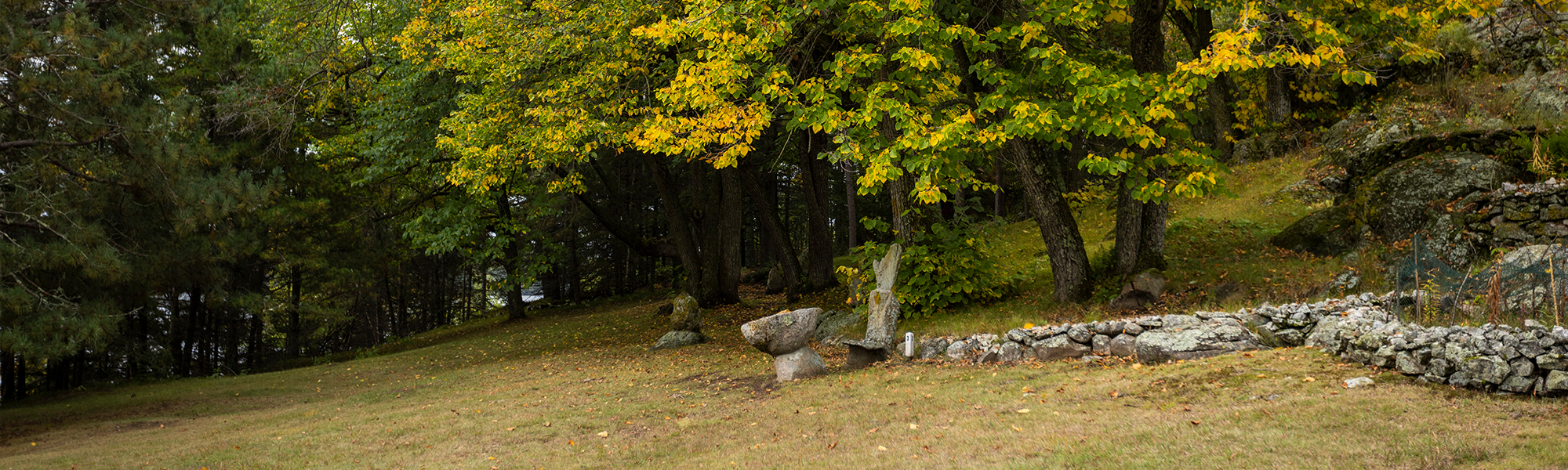
Ellsworth Rock Gardens—On the north shore of Kabetogama Lake, this whimsical landscape of more than 60 stone sculptures was built by local artist Jack Ellsworth between 1940 and 1960. Known as the “Showplace of Lake Kabetogama,” it blends art, history, and lakeside beauty, accessible only by boat. A quarter-mile trail guides visitors through the sculptures and back to the boat dock.
5
Kettle Falls Historic District—Kettle Falls is one of the most storied places in Voyageurs National Park, combining history, scenery, and quirky charm. Built in 1913, the Kettle Falls Hotel was originally established to serve loggers, commercial fishermen, and later tourists. The hotel is on the National Register of Historic Places, and guests often describe a visit to Kettle Falls as like “stepping back in time.”
Best time to visit Voyageurs National Park
Generally speaking, if this is your first visit to Voyageurs, late August to mid-September is the best time to visit. You’ll enjoy warm weather for boating, dramatically fewer bugs, and the beauty of fall colors setting in.
- Spring (May to June): Ice-out, the term for when ice covering lakes completely melts, leaving open water again, usually occurs in early-May, opening the waterways to boaters. As the start of the summer season, spring fishing is excellent, and wildflowers bloom along trails; however, Mosquitos emerge by late-May. Though daytime temperatures can reach 70ºF, it is not uncommon for late winter storms to push into May too. Pack layers and remain flexible with shifting weather.
- Summer (July to August): Summer is peak season in Voyageurs National Park, with warm days (70–80°F), abundant wildlife, and ideal boating conditions. Long daylight hours make it perfect for paddling and camping. Expect incessant insects in July. Mosquitos, ticks, and deer flies are prevalent in the North Woods of Minnesota.
- Fall (September to October): Brilliant fall foliage emerges in mid-September and lasts several weeks. As temperatures cool down and frost returns, mosquitoes fade, and the lakes are quieter. Days are crisp (50–65°F), and nights can dip toward freezing. September is often the best time to visit as crowds dwindle, weather is relatively stable, and insects die out. However, take note of operating seasons as many boat tours, lodging sites, and campgrounds close in the fall for the winter season.
- Winter (November to April): Though winters are frigid in northern Minnesota, Voyageurs still offers a variety of activities. Frozen lakes open to snowmobiling, ice fishing, skiing, and aurora viewing are some of the highlights of a winter visit. Hiking trails double as snowshoeing and dogsledding trails under a blanket of snow. Highs range from 0–20°F. Visitor centers remain open seasonally for winter recreation.
How long should I visit Voyageurs National Park?
A 3–4 day visit allows time to explore multiple lakes, stay overnight at a campsite or houseboat mooring, and enjoy fishing, hiking, or paddling. However, for those short on time, a weekend trip can focus on mainland attraction of Rainy Lake or Kabetogama Lake, such as hiking trails, canoe rentals, or wildlife viewing. On the other hand, if time is not a limitation, a weeklong trip opens up backcountry lakes and remote islands. Consider renting a canoe or hiring a water taxi to camp on your own private backcountry island.
Getting to Voyageurs National Park
Though the park has no through roads, Highway 53 skirts along the length of the southern end of the park, providing access points to Rainy Lake, Kabetogama Lake, Ash River, and Crane Lake. From these access points boat taxis, canoe rentals, or tour boats allow visitors to explore the watery interior of the park.
If flying in from out of state, Falls International Airport (INL) in International Falls is easily the closest airport only 15 miles away. Though Duluth International Airport (DLH) 140 miles south and Minneapolis-St. Paul International Airport (MSP) 280 miles south are further away, they offer cheaper alternatives to Falls International Airport.
Where to stay in Voyageurs National Park
Voyageurs National Park is largely wild and only developed on the outskirts of the park, making lodging inside the park limited. However, nearby towns and neighborhoods offer a myriad of options from campgrounds to houseboats to resort-style accommodations. International Falls hosts a variety of chain hotels and local inns.
Lodging—Kettle Falls Hotel is the only lodge inside park boundaries. This remote, boat-in lodge built in 1913 sits at the convergence of Namakan Lake and Rainy Lake.
- Kettle Falls Hotel—3 private villas and 12 rooms, open May–September
Campgrounds—Even though there are no developed front-country campgrounds, Voyageurs has more than 220 designated backcountry campsites, most of which are only accessible by watercraft. All of these backcountry sites must be reserved in advance via Recreation.gov. However, located just outside the park on state forest land, Minnesota hosts two campgrounds offering easy access and views into the national park. Woodenfrog Campground is larger and more scenic located on the shore of Kabetogama Lake. Ash River Campground is simply an roadside field hosting 8 campsites in a circle.
- Woodenfrog Campground—61 sites (RV and tent), open May–September
- Ash River Campground—8 sites (RV and tent), open May–September
When should I book my trip to Voyageurs National Park?
Because of its remote location in northern Minnesota, Voyageurs is not among the most-visited parks, however the summer season can book quickly due to limited options. Backcountry campsites and houseboat permits usually open for reservations in November for the following calendar year and fill up by summer. It is rare to find an open campsite last minute. However, for the more spontaneous traveler, both Woodenfrog Campground and Ash River Campground are first come, first served campgrounds on the mainland.
With only 12 rooms, Kettle Falls Hotel generally books early for its short summer season. It is wise to reserve a room or villa 6 months in advance if possible. Likewise, national park boat tours are highly popular and fill quotas quickly. It is rare to find a day-of tour available. Consider securing tickets at least 1–2 months in advance.
How much should I budget for Voyageurs National Park?
A 3–4 day trip to Voyageurs National Park booked 6 months in advance can cost roughly $750 depending on your required needs. To keep costs down, consider camping overnight or traveling with a group of family or friends to share the costs of lodging, water taxis, and rental cars. Here is a range of what to expect:
| Roundtrip Airfare to Falls International Airport (INL) | $400–$700 |
| Roundtrip Airfare to Duluth International Airport (DLH) | $300–$600 |
| Roundtrip Airfare to Minneapolis-St. Paul International Airport (MSP) | $100–$300 |
| Kettle Falls Hotel | $70–$110/night |
| Campsite | $15–$30/night |
| Car Rental | $50–$80/day |
| Canoe Rental | $50–100/day |
| Water Taxi | $100–$300/taxi |
| National Park Boat Tour | $25–50/person |
| Meals | $20–$30/meal |
| Entrance Fee | FREE |
Packing list for Voyageurs National Park
Each park requires different gear for its unique characteristics. For Voyageurs National Park, we wouldn’t want to be caught without hiking shoes, warm layers, bug spray or bug net, rain coat, a hat, binoculars, and sunglasses.
Want to learn more? Check out my detailed trip report for a peek into my trip to Voyageurs.
For more detailed information on Voyageurs National Park, visit the official park website.

Looking for more?
To view more photos of this park and the rest of America’s 63 national parks, check out my ParkQuest project.