Est. 1980 | Alaska | 7,523,897 acres
The least visited of all the parks, Gates of the Arctic National Park is one of the last true wilderness areas on Earth. Located entirely above the Arctic Circle, the park protects a sweeping expanse of arctic mountains, rivers, tundra, and boreal forest. Here, visitors find no roads, no established trails, and no developed campgrounds—only an immense landscape shaped by glaciers, weather, and time. The park takes its name from two dramatic peaks, Frigid Crags and Boreal Mountain, which form the symbolic “gates” to the Arctic. Wild, silent, and deeply humbling, Gates of the Arctic offers a rare opportunity to experience nature on its own terms.
Gates of the Arctic stretches across the central Brooks Range in northern Alaska, encompassing jagged peaks, wide river valleys, and rolling tundra. There are no roads or formal entrances into the park, and access is typically by small aircraft from communities such as Bettles, Coldfoot, or Anaktuvuk Pass. The park has no visitor centers within its boundaries, but orientation and permits are available at the Arctic Interagency Visitor Center in Coldfoot and the Bettles Ranger Station just outside the park. Major natural features include the Kobuk, Noatak, and Alatna Rivers, as well as the Arrigetch Peaks, a dramatic cluster of granite spires. Travel is entirely self-directed, requiring navigation skills and careful planning in a landscape without signage or infrastructure.

Must-see highlights in Gates of the Arctic National Park
1
Gates of the Arctic—Whether on a flightseeing trip or along a float trip down the Koyukuk’s North Fork, make sure to pass through the infamous Gates of the Arctic, two prominent peaks—Frigid Crags on the west, Boreal Mountain on the east—welcoming visitors to the arctic wilderness.

2
Arrigetch Peaks—The Arrigetch Peaks are among the most dramatic features in the park, with jagged granite spires rising sharply above alpine tundra valleys. Backpackers and climbers are drawn to this remote region for its jaw-dropping scenery and solitude.
3
Noatak River—The Noatak River flows for over 400 miles through untouched wilderness, offering one of the longest undammed river systems in North America. Multi-day rafting trips provide a unique way to experience the park’s remote interior.
4
*Bonus: Aurora Borealis—Most people visit Gates in the summer, but mid-to-late March is an equally rewarding experience. With notoriously clear skies and dark nights, this timeframe offers the best chance to view the Northern Lights. Because camping is not an option, consider staying in the gateways towns of Bettles or Coldfoot to view this spectacle of nature.

Best time to visit Gates of the Arctic National Park
Just by nature of being located in the Arctic Circle, Kobuk Valley National Park is subject to harsh winters and short summers. Generally speaking, summer and autumn are the best times to visit, but unpredictable weather can shift plans without notice, so plan the most buffer time possible when visiting the area.
- Summer (June to August): Summer is the primary season for visiting Gates of the Arctic, with daytime temperatures typically ranging from the 40s to 70s°F (4–21°C). Rivers are ice-free, wildlife is active, and long daylight hours allow for extended travel. Be advised, mosquitoes can be intense during this time and unstable weather is part of Alaska’s personality. Plan accordingly.
- Fall (September): Early autumn brings cooler temperatures in the 30s–50s°F (−1 to 10°C) and vibrant tundra colors. Fewer insects and stunning scenery make this a favorite season for experienced visitors. Consider hiring a local guide company for backcountry camping. Like the summer, weather in the fall is unpredictable, ranging from sunny and hot to cold blizzard conditions. However if timed well with weather, September is an excellent time to view the northern lights in the darkening nights.
- Winter (October to April): As expected in the arctic, winter is extremely cold and dark, with temperatures hanging well below 0°F (−18°C) throughout the season. Travel is limited to highly experienced adventurers using skis or snow machines. However, the nearby town of Bettles offers year-round lodging for guests eager to play in the snow. The spring equinox in March often brings some of the best aurora viewings.
- Spring (May): Spring is really just transitional. With melting snow and unpredictable river conditions, travel into the park is more difficult and not as enjoyable.
How long should I visit Gates of the Arctic National Park?
Most visitors spend only a couple hours in the park on a day trip flight tour. If this is your approach, it is wise to plan at least 3 days in Fairbanks, Bettles or Coldfoot to account for delayed or canceled flights. That’s why a visit to Gates of the Arctic typically requires at least 3–5 days, due to the effort required to reach and travel within the park.
For the more adventurous, a week or more is ideal for backpacking or rafting trips that venture deep into the wilderness. Shorter visits are possible via guided air tours, but most meaningful experiences involve multi-day backcountry travel.
Getting to Gates of the Arctic National Park
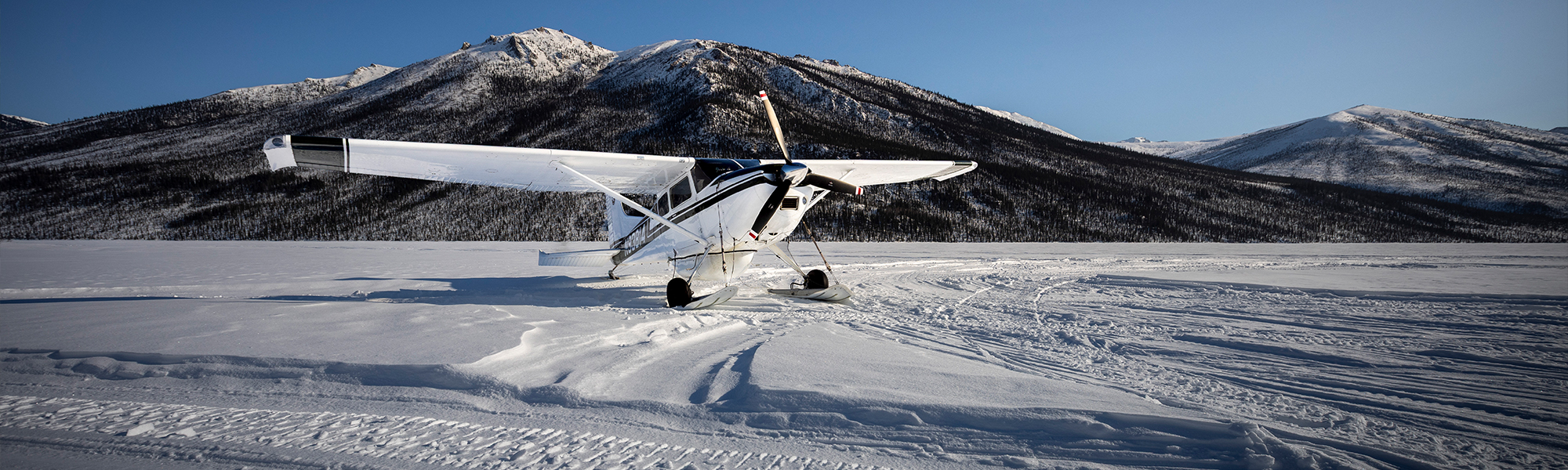
This is often the crux of an arctic experience. Because there are no roads leading into the park, most visitors travel to Fairbanks, Alaska, then take a small plane to Bettles or Coldfoot, followed by a bush plane into the park itself. Some travelers access the park via the Dalton Highway to Coldfoot and then arrange air transport. Careful logistical planning is essential, and many visitors choose guided trips.
All major airlines fly into Fairbanks. From Fairbanks, either book a chartered flight to Bettles or Coldfoot through Wright Air Service, or drive the Dalton Highway up to Coldfoot. Here Aviation Expeditions (from Bettles) or Coyote Air (from Coldfoot) will transport you into Gates of the Arctic National Park, often landing in the park when conditions are favorable.
While commercial flights into Fairbanks are usually dependable, chartered flights into Bettles, Coldfoot and eventually the park itself are not guaranteed so plan to spend at least 3 days in Fairbanks, Bettles or Coldfoot to allow some margin for bush plane delays. Day trips and flight charters are often shuffled around as weather fluctuates, so building time on the front and back ends of your trip will enhance your chances of flying into the park when weather windows present themselves. Gates is remote and traveling to the park requires patience and persistence.
A Note on Trip Insurance: Remote Alaskan vacations are not only expensive, but also precarious. Inclement weather can delay and cancel plans. Most lodges and flight services do not reimburse for weather challenges unless they specifically cancel your reservation themselves. Simply put, there are no refunds for no-shows if your flight to Alaska is delayed or canceled. So trip insurance might be a good idea if traveling during inclement weather months or have tight connections. For example, even though Fairbanks was bright and sunny, my chartered flight to Coldfoot was cancelled due to heavy fog and rain in the region.
Where to stay in Gates of the Arctic National Park
There are no lodges or developed accommodations within the park. Visitors typically stay in nearby communities such as Bettles or Coldfoot, where small lodges provide basic services and staging points for bush flights. Bettles Lodge and The Inn at Coldfoot Camp are good places to start. Though pricey, Bettles Lodge is excellent at providing nearly every need. All food and nearly all gear (tripods, cold-weather coats and boots) is offered free of charge by the lodge.
There are no developed campgrounds in the park. Visitors must practice backcountry camping, choosing their own campsites on durable surfaces and following Leave No Trace principles. Proper food storage and bear safety are essential. If this seems intriguing but intimidating, consider hiring a backcountry guide for your trip. I recommend Expeditions Alaska. They served me well when my trip to Gates was canceled.
When should I book my trip to Gates of the Arctic National Park?
Due to limited bush flight availability and short summer seasons, trips should be booked several months in advance (think January-February), especially for guided expeditions during peak summer travel.
How much should I budget for Gates of the Arctic National Park?
Gates of the Arctic is a remote, expensive park to visit. Of all 63 parks, it was by far the most challenging park to visit. A 3–5 day trip booked 9 months in advance can cost roughly $3,000 depending on your required needs. To keep costs down, consider camping traveling with a group of family or friends to share the costs of lodging, flight charters, and rental cars. Here is a range of what to expect:
| Roundtrip Airfare to Fairbanks | $500–800/person |
| Roundtrip Charter to Gates of the Arctic | $1,200–2,000/plane |
| Lodging (Bettles & Coldfoot) | $270/night |
| Multiday Guided Trip | $4,000–$7,000/person |
| Meals | Often included in lodging |
| Entrance Fee | FREE |
Packing list for Gates of the Arctic National Park
Each park requires different gear for its unique characteristics. For Gates of the Arctic National Park, we wouldn’t want to be caught without sturdy hiking shoes, warm layers, bug spray or bug net, rain coat, a hat, binoculars, and sunglasses.
Want to learn more? Check out my detailed trip report for a peek into my trip to Gates of the Arctic.
For more detailed information on Gates of the Arctic National Park, visit the official park website.

Looking for more?
To view more photos of this park and the rest of America’s 63 national parks, check out my ParkQuest project.