Est. 1980 | Florida | 172,971 acres
Just south of Miami’s urban skyline, Biscayne National Park protects a shimmering expanse of coral reefs, mangrove forests, and aquamarine waters that form the northernmost part of the Florida Keys ecosystem. Encompassing over 30 distinct keys, Biscayne National Park is a tropical paradise with a multitude of secluded beaches, harbors and reefs to explore.
95% water, this is a park best explored by boat, kayak, or snorkel mask. The region teems with life—from colorful reef fish and sea turtles to dolphins gliding through turquoise shallows. Visitors can paddle through mangrove tunnels, dive among shipwrecks, or anchor near palm-covered islands that feel far removed from the mainland. Above all, Biscayne is a sanctuary where the sea, sky, and subtropical wilderness converge.
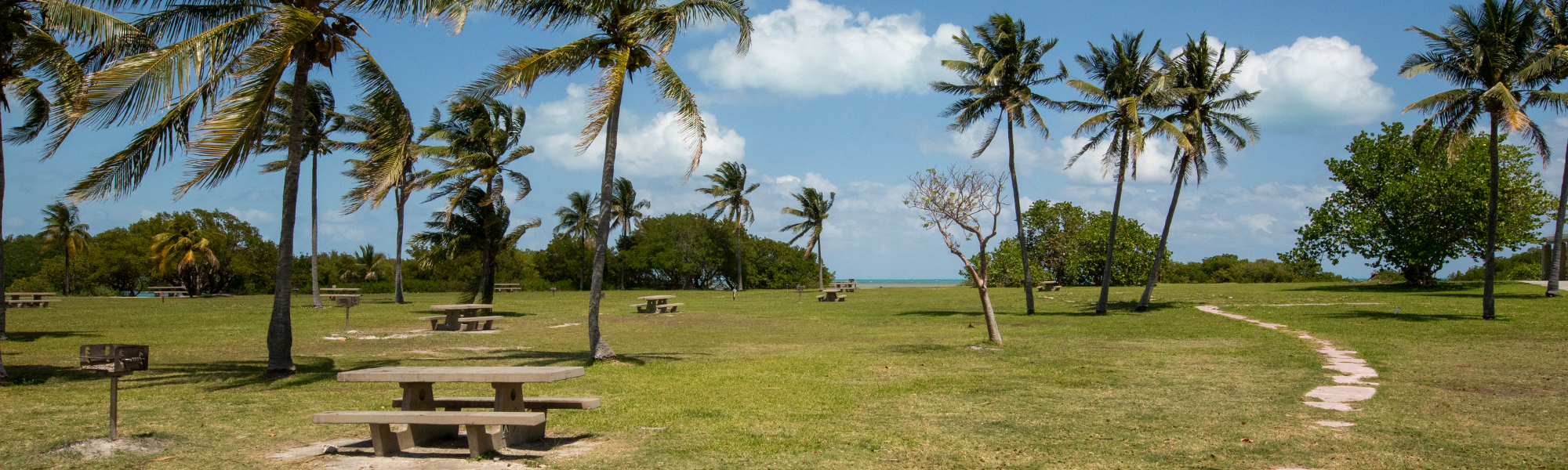
Dante Fascell Visitor Center, the park’s only visitor center, stands on the mainland as a launch point for the bay’s adventures. Elliot Key, Adams Key and Boca Chita Key get the most attention. As the larger keys, they hold prominent hiking trails, lagoons, docks and lighthouses.

Must-see highlights in Biscayne National Park
1
Boca Chita Key—The park’s most visited island features a scenic lighthouse, picnic area, and small campground. When open, the 65-foot lighthouse, built in the 1930s by Mark Honeywell, offers panoramic views of Biscayne Bay.

2
Elliott Key—The largest island in the park, Elliott Key was once home to pineapple farmers and homesteaders. Today it offers hiking, camping, and snorkeling in a peaceful tropical setting.
3
Adams Key—Adams Key is a tranquil island used mainly for day trips and picnics. Rangers occasionally host programs here, and it’s a favorite stop for kayakers.
4
Maritime Heritage Trail—This boat route features six historic shipwrecks from the 19th and 20th centuries for a unique underwater snorkeling and diving adventure. Sites range from shallow reefs for beginners to deeper wrecks for advanced divers.
5
Kayak Mangrove Forests—From the Dante Fascell Visitor Center, launch a kayak, canoe, or paddle board into the extensive mangrove forest all along the coast of Biscayne National Park. Look for fish, crabs and birds in the maze of roots and leaves. For boat rentals, visit Biscayne National Park Institute.

Best time to visit Biscayne National Park
Located in tropical Florida, Biscayne National Park really only has two seasons: winter (dry season) and summer (wet season). Winter tends to be the better time to visit. Hurricanes and storms are more likely in summer.
- Winter (November to April): Though storms and bad weather can appear year round, winter marks mild temperatures (70s–80s°F), calm seas, and lower humidity making this the best time for boating, snorkeling, and kayaking Biscayne Bay.
- Summer (May to October): For most of the country, summer is travel season, but hot, humid, rainy days make Biscayne a poor option for a summer getaway (heat index often exceeds 100ºF). With daily afternoon thunderstorms and the possibility of hurricanes, getting out on the water is not always possible. Keep in mind windy, rainy days tend to diminish water visibility. Tours and rentals can be canceled for inclement weather.
How long should I visit Biscayne National Park?
A 1–2 day visit allows time for a guided snorkeling or glass-bottom boat trip, a kayak through the mangroves, and a day exploring the islands by boat. 3–4 days offer deeper exploration—diving shipwrecks and camping on Elliott Key or Boca Chita Key.
Getting to Biscayne National Park
Miami International Airport (MIA) is the closest option for flying in from afar. Once on the ground, simply drive about an hour south on U.S. Route 1 to the Dante Fascell Visitor Center on the coast of Biscayne Bay. This shoreline is technically inside the park, but to experience the bay and keys, either book a ranger-led tour here or launch a private boat at the Herbert Hoover Marina next door.
Where to stay in Biscayne National Park
Lodging—Not surprisingly, there are no hotels or lodges within the park. The nearby towns of Homestead and Florida City offer accommodations ranging from hotels to small inns and vacation rentals.
Campground—There are only campgrounds located within the park. Both campgrounds are located on islands and require boat access. Campers may either pitch a tent on land or dock a yacht in the harbors. There are no services at either campground. Both locations are two first come, first served.
- Boca Chita Key Campground—21 sites (boat and tent only), open year-round
- Elliott Key Campground—32 sites (boat and tent only), open year-round
When should I book my trip to Biscayne National Park?
Winter and spring are peak seasons with heightened crowds, but with developed towns nearby, lodging is typically readily available. Consider booking tours and lodging 2–3 months in advance during these busy months and 1–2 months in advance during summer and fall.
How much should I budget for Biscayne National Park?
A 1–2 day trip to Biscayne National Park booked 2 months in advance can cost roughly $500 depending on your required needs. Here is a range of what to expect:
| Roundtrip Airfare to Miami International Airport (MIA) | $100–$300 |
| Lodging | $100–$200/night |
| Campsite | $25–$35/night |
| Car Rental | $50–$80/day |
| Meals | $10–$20/meal |
| Boat Tours | $70–$80/person |
| Kayak Rental | $39/person |
| Snorkel Tour | $80–$200/person |
| Entrance Fee | FREE |
Packing list for Biscayne National Park
Each park requires different gear for its unique characteristics. For Biscayne National Park, we wouldn’t want to be caught without snorkel gear, waterproof camera, sandals, water bottle, bug spray, rain coat, a hat, binoculars, and sunglasses.
Want to learn more? Check out my detailed trip report for a peek into my trip to Biscayne.
For more detailed information on Biscayne National Park, visit the official park website.

Looking for more?
To view more photos of this park and the rest of America’s 63 national parks, check out my ParkQuest project.