Est. 1980 | Alaska | 3,223,383 acres
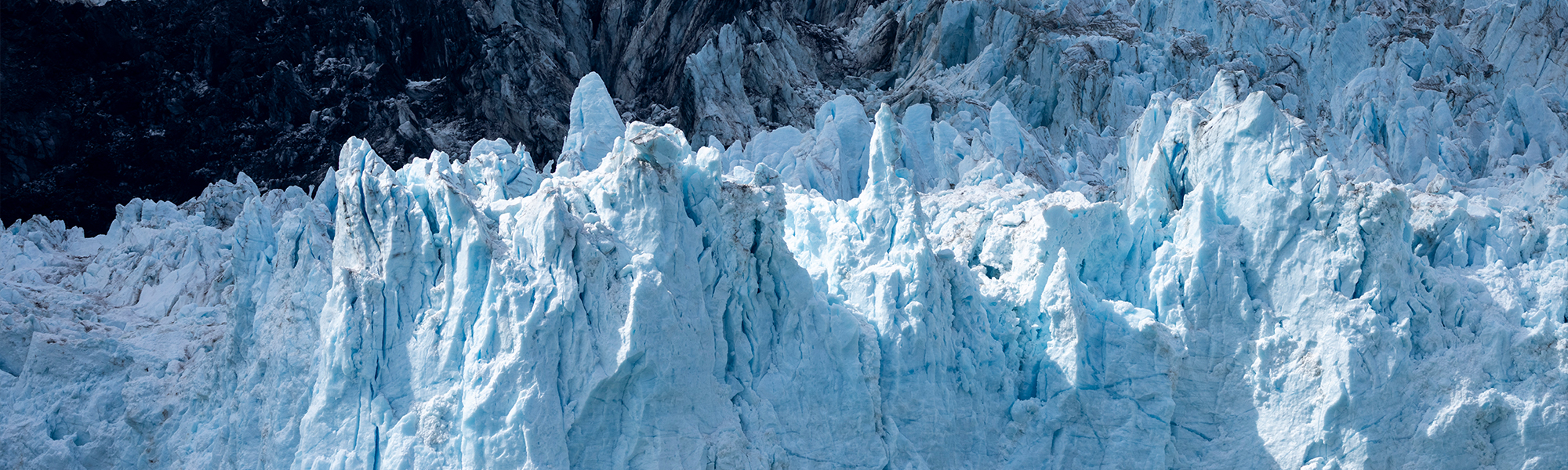
A landscape sculpted by ice, Glacier Bay National Park is a relic of the Alaskan wilderness. This remote marine park is a surreal panorama of tidewater glaciers, rugged mountains, temperate rainforests, and icy fjords—home to humpback whales, harbor seals, puffins, sea otters, and coastal brown bears. Few places on earth allow you to witness geologic forces so intimately.
Located in Southeast Alaska’s Inside Passage near the capitol city of Juneau, Glacier Bay is primarily explored by water, with cruise ships, kayaks, and park tour boats offering the best access to its icy core. There are no roads into the park’s interior, making it one of the most remote and pristine destinations in the U.S. national park system.
The small town of Gustavus serves as the park’s primary gateway. Just 10 miles from town, Bartlett Cove has become the official launch point for park operations. The area features a campground, seasonal lodge, visitor center and dock servicing a handful of hiking trails and a launch point for day cruises and overnight kayaking adventures into the heart of Glacier Bay.

Must-see highlights in Glacier Bay National Park
1
Glacier Bay Day Boat Tour—By far, this is the best use of time in Glacier Bay. Because much of the park’s iconic features are not visible from Bartlett Cove, a day cruise allows visitors to experience the fullness of the tidewater glacier ecosystem. Not only does the cruise provide intimate views of the stunning Margerie and Johns Hopkins glaciers, it also grants access to unparalleled wildlife diversity. Spot eagles, coastal brown bears, sea otters, whales, puffins, seals, and so much more from the deck of the ship as the tour explores the farthest reaches of the bay. If you do not sail or charter a private vessel, Glacier Bay Lodge and Tours offers the only day trip tour permitted inside the park.
2
Bartlett River Trail—This moderate, 4-mile, out and back trail winds along Bartlett River amidst a rich rainforest of sitka spruce, mosses, and ferns. The trail is often muddy, but offers an excellent escape into the backcountry of Glacier Bay where bears, moose, river otters, and eagles call home.
3
Beach Trail—Take a leisurely stroll along Beach Trail for a chance to explore tidepools for sea urchins, herons, and sea stars. Keep an extra eye out for whales, sea otters, and the occasional brown bear visible from the beach. The Beach Trail connects the Bartlett Cove Visitor Center to the Bartlett Cove Campground along a well-maintained quarter-mile trail, but continues 6 miles further to Point Gustavus on the south western edge of the peninsula. Be prepared to bushwack at several points further down the beach as the length of this route is rarely trafficked.
4
Forest Trail—Part dirt path, part boardwalk, an easy 1-mile loop between the campground and the visitor center transports hikers under a coastal rainforest canopy past several small ponds known for beaver, waterfowl, and moose sightings.
5
Huna Tribal House—A short walk from the visitor center lies Xunaa Shuka Hit, a gathering place for the Huna Tlingit people constructed in traditional Tlingit style using cedar and native carving techniques. Check with the park staff for open hours and presentations.
Best time to visit Glacier Bay National Park
Even though the park is open year-round, by nature of its latitude, Glacier Bay’s prime visitation season fits in a short window between late May and early October, making summer months the most competitive. However, Glacier Bay is still a lesser-known park so crowds remain manageable during peak season.
- Spring (May): Spring season typically begins in late-May as snow melts and vegetation blooms, marking the operation of the lodge and boat tours. As a maritime climate, highly affected by ocean currents, weather is often rainy and cool. Though May and June are the driest months of the year, expect rain and temperatures ranging from 40˚F at night to 60˚F during the day. Wildlife is active all summer long. Look for whale migrations to arrive and bears to emerge from hibernation in late-May.
- Summer (June to August): As summer daylight reaches its maximum (19 hours/day in June), Alaska is in full-swing. June marks the peak season for visitors. As winter ice continues to melt in the bay, glacier viewing is best during the summer. The increased sunlight and temperature allows boats to venture closer to the glaciers offering better chances to witness glacial calving. Whale viewing reaches its peak in June and July as feeding and breaching increase. July brings warm wet weather and with it biting insects in the forested regions of the park. Thankfully, bugs are not present out on the water.
- Fall (September): A short autumn window in September begins the wettest season of the park. The lodge and tour services begin shutting down for the winter in September, so check season dates before booking a trip. Temperatures cool down slightly, but still offer comfortable chances to visit the park before the onslaught of winter. Whales begin to migrate to warmer waters during this time.
- Winter (October to April): Though the park is technically still open, services virtually shut down for the winter. While temperatures at sea level do not plummet significantly (nighttime lows ranging 20˚F–40˚F), snow-covered trails and harsh coastal weather greatly diminish park accessibility. The campground remains open but does not provide any on-duty rangers. Visitors are expected to be self-sufficient and know the risks of Alaska winters.
How long should I visit Glacier Bay National Park?
A 3–4 day visit to Glacier Bay is ideal. If venturing from the lower-48, allow one day to travel to Gustavus, one day to tour the glaciers by boat, and another day to hike or kayak Bartlett Cove. An additional day may be needed to travel home if not combined with other Alaska destinations. Because summer weather can be spotty in Alaska, a planned buffer day is always a smart idea.
Getting to Glacier Bay National Park
Because no roads access the park, most visitors to Glacier Bay view the park aboard a passing cruise ship, but since passengers do not typically disembark, you will need to book a flight or ferry to the gateway town of Gustavus to fully explore the park at your own pace.
If arriving by air, fly into Gustavus Airport (GST) via Juneau International Airport (JNU). Alaska Airlines offers reasonable flight prices, but services Gustavus only once per day, so consider chartering a seaplane if you have specific timing needs. From the Gustavus airport, either hire a taxi or pre-schedule a pickup on the Glacier Bay Lodge’s shuttle bus to Bartlett Cove.
If traveling by car, book a reservation on the Alaska Marine Highway System ferry to Gustavus from either Juneau or Whittier. Once in Gustavus, drive 10 miles across the peninsula to Bartlett Cove.
Where to stay in Glacier Bay National Park
Lodging—Glacier Bay Lodge is the only hotel-style accommodation located within park boundaries. Amenities include running water, wifi, restaurant meals, and a gift shop. However, this remote luxury comes with a price tag, so if you have a car there are a handful of affordable inns, motels, and rentals available in the nearby town of Gustavus.
- Glacier Bay Lodge—56 cabin-style rooms (mid-May to mid-September)
Campground—Bartlett Campground, a short quarter-mile walk from Glacier Bay Lodge and the visitor center, is the only front-country campground in the park. This campground is one of the finest in the park system. As a free, first come first served campground nestled in the soft rainforest floor a stone’s throw away from the coast, Bartlett Cove Campground provides three bear-proof food caches, a warming hut, clean pit toilets, and free firewood. However, every site is a tent-only, walk-in campsite requiring campers to transport gear one quarter mile from the parking lot to the campground in provided wheelbarrows.
- Bartlett Cove Campground—25 walk-in sites (tent only), open year-round
When should I book my trip to Glacier Bay National Park?
Glacier Bay receives approximately 600,000 visitors each year, but 90% of these travelers board cruise ships that never disembark, leaving only about 40,000 visitors reaching Bartlett Cove each year. In these terms, Glacier Bay National Park is one of the least visited parks, making rooms, flights, and tours not as competitive as Alaska’s more popular parks. Best practice would recommend booking 4–6 months in advance for lodging and tours, especially Glacier Bay Lodge and the Day Boat Tour. However, availability can open nearly one week in advance for last minute trips.
How much should I budget for Glacier Bay National Park?
A 3–4 day trip to Glacier Bay booked 4 months in advance can cost $1,000–$2,000 depending on your required needs. Because expenses can escalate quickly, consider camping at Bartlett Cove, packing your own food, and tagging this park on to an itinerary of other Alaskan parks. Here is a range of what to expect:
| Roundtrip Airfare to Gustavus | $300–$800 |
| Roundtrip Airport Shuttle | $30/person |
| Roundtrip Ferry | $344/vehicle |
| Glacier Bay Lodge | $292/night |
| Bartlett Cove Campground | FREE |
| Glacier Bay Day Boat Tour | $266/person |
| Half-day kayak rental | $50/person |
| Meals | $15–$40/meal |
| Entrance Fee | FREE |
Packing list for Glacier Bay National Park
Each park requires different gear for its unique characteristics. For Glacier Bay National Park, we wouldn’t want to be caught without waterproof hiking shoes, rain gear, warm layers, hat and gloves, bear spray, binoculars and sunglasses. The visitor center has extra bear spray and camp stove fuel to lend to visitors if arriving by air.
Want to learn more? Check out our detailed trip report for a peek into our trip to Glacier Bay.
For more detailed information on Glacier Bay National Park, visit the official park website.

Looking for more?
To view more photos of this park and the rest of America’s 63 national parks, check out my ParkQuest project.