Est. 1994 | California | 795,156 acres
A meeting of two deserts—the Mojave and the Colorado—Joshua Tree National Park is a landscape of stark contrasts and surreal beauty. Sculpted boulders eroded over time rise among forests of Joshua trees, while broad valleys and rugged mountains glow rose gold in the desert light. Enjoyed by hikers, climbers, stargazers, and solitude seekers, Joshua Tree offers a rare stillness where time seems to slow with the shifting light. By day, the desert hums with life; by night, one of the darkest skies in southern California reveals the Milky Way in full splendor.
The park sits in southern California flanked by the Little San Bernardino Mountains in the south and Highway 62 in the north. Though Interstate 10 is just on the other side of the mountains, the main entrances and visitor centers are centrally located up north on Highway 62 in the towns of Yucca Valley and Twentynine Palms giving the park a quieter feel. Park Boulevard, the main road through Joshua Tree National Park cruises from the West Entrance near Yucca Valley to the North Entrance in Twentynine Palms. Halfway in between, Pinto Basin Road shoots south from Park Boulevard over the Bernardino Mountains to a southern entrance on I-10 creating a rudimentary “Y” in the heart of the park. Small dirt roads branch off these main thoroughfares throughout the park leading to the key attractions.

Must-see highlights in Joshua Tree National Park
1
Cholla Cactus Garden—In the lower Colorado Desert, a short trail loop winds through thousands of cholla cacti. For a stunning scene you wont forget, watch them glow golden at sunrise and sunset.

2
Hidden Valley—A favorite for both rock climbers and casual hikers, Hidden Valley is a natural rock-enclosed basin once used by cattle rustlers. A one-mile loop trail winds through boulders, Joshua trees, and desert vegetation.

3
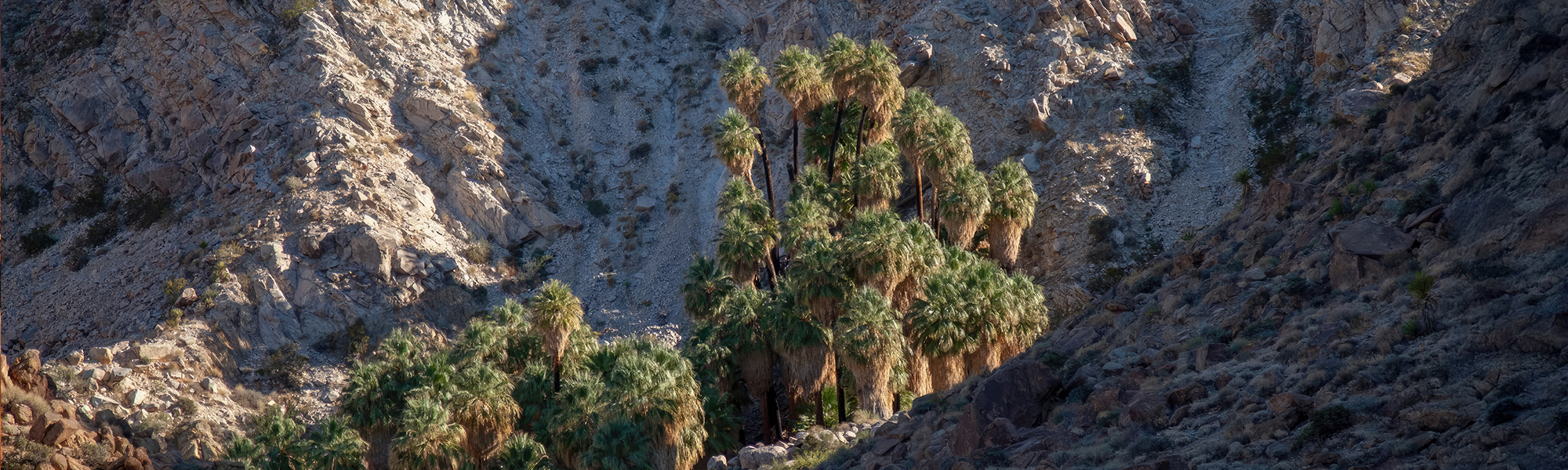
Fortynine Palms Oasis—A 1.5-mile trail climbs steadily over rugged hills from the town of Twentynine Palms before descending into a lush stand of California fan palms sustained by a natural spring. As one of five naturally occurring oases in Joshua Tree, the palms form a cool, shaded refuge for wildlife. Views along the way stretch across the desert toward the city of Twentynine Palms.

4
Skull Rock—Easily accessible from the road or a short trail, Skull Rock is a massive granite formation eroded by wind and rain, resembling a human skull.
5
Keys View—From this roadside overlook at 5,185 feet, gaze across the Coachella Valley to the San Andreas Fault, Palm Springs, and on clear days, all the way to Mexico.
Best time to visit Joshua Tree National Park
Really, summer is the only “bad” time to visit Joshua Tree. September through May offer ample time and decent conditions to visit without the scorching desert heat. March through April is ideal for spring wildflowers and astrophotography.
- Spring (March to May): Mild temperatures (70s–80s°F) and blooming wildflowers make this the most popular season. Conditions are ideal for hiking and photography.
- Summer (June to August): Hot and dry, daytime highs often reach over 100°F. Early morning and evening are best for exploring. Visitor numbers drop during this season, offering a chance for solitude.
- Fall (September to November): Comfortable temperatures return, with clear skies and fewer crowds. Excellent time for climbing, camping, and night-sky viewing.
- Winter (December to February): While 50–60s°F in the daytime hours, cooler weather occasionally dips below freezing at night. Snow may dust the higher elevations. Snow is possible throughout the park, but it is extremely rare.
How long should I visit Joshua Tree National Park?
A 2-day trip allows time to explore both the high and low desert zones. With little water, hiking and rock climbing are just about the only recreational activities possible in the park. But make sure to stay overnight at least once to catch stars at night. Joshua Tree is known for its stargazing.
Getting to Joshua Tree National Park
Joshua Tree National Park is conveniently located just north of Interstate 10, making it very accessible by car, though Highway 62 leads to the West Entrance and the more popular and beautiful areas of the park. Highway 62 and Interstate 10 connect just west of Palm Springs, California.
If flying into the area, Palm Springs International Airport (PSP) is your closest option, though the most expensive. Ontario International Airport (ONT) 2 hours away and Los Angeles International Airport (LAX) 2.5 hours away are further away, but usually much cheaper.
Where to stay in Joshua Tree National Park
Lodging—There is no hotel-style lodging within the park boundaries, however plenty of hotels, resorts and vacation rentals lie in the nearby towns of Twentynine Palms and Yucca Valley.
Campgrounds—The park has 8 campgrounds with sites often full from October to May—reservations are highly recommended. Backcountry camping is permitted with a free permit available at visitor centers. Belle, Hidden Valley, and White Tank are the only first come, first served campgrounds available in Joshua Tree.
- Belle Campground—18 sites (RV and tent), open September–May
- Black Rock Campground—99 sites (RV and tent), open year-round
- Cottonwood Campground—62 sites (RV and tent), open year-round
- Hidden Valley Campground—44 sites (RV and tent), open year-round
- Indian Cove Campground—101 sites (RV and tent), open year-round
- Jumbo Rocks Campground—124 sites (RV and tent), open year-round
- Ryan Campground—31 sites (RV and tent), open year-round
- White Tank Campground—15 sites (RV and tent), open September–May
When should I book my trip to Joshua Tree National Park?
Because the summers are so hot, October through May marks Joshua Tree National Park’s peak season. Campgrounds can fill months in advance during this time, though the gateway towns of Yucca Valley and Twentynine Palms usually have open availability up to a week in advance. The shoulder season during September and October is usually the best time to visit for fewer crowds and wider campground availability.
How much should I budget for Joshua Tree National Park?
A 2–3 day trip to Joshua Tree National Park booked 1 month in advance can cost roughly $300–500 depending on your required needs. Here is a range of what to expect:
| Roundtrip Airfare to Los Angeles International Airport (LAX) | $100–$300 |
| Roundtrip Airfare to Palm Springs International Airport (PSP) | $250–$500 |
| Lodging | $150–$250/night |
| Campsite | $25–$35/night |
| Car Rental | $60–$120/day |
| Meals | $15–$25/meal |
| Rock Climbing Tour | $175–$300/person |
| Entrance Fee | $30/vehicle |
Packing list for Joshua Tree National Park
Each park requires different gear for its unique characteristics. For Joshua Tree National Park, we wouldn’t want to be caught without hiking shoes, sandals, water bottle and camelback, a hat, binoculars, light jacket and sunglasses.
Want to learn more? Check out my detailed trip report for a peek into my trip to Joshua Tree.
For more detailed information on Joshua Tree National Park, visit the official park website.

Looking for more?
To view more photos of this park and the rest of America’s 63 national parks, check out my Park Portraits project.