Est. 1980 | Alaska | 1,750,716 acres
Remote and rarely visited, Kobuk Valley National Park protects a vast expanse of boreal forest, river valleys, and sweeping sand dunes within the Arctic Circle. With no roads, trails, or facilities, Kobuk is a park of pure wilderness—defined by the seasonal migration of hundreds of thousands of caribou and the surreal sight of desert-like dunes surrounded by tundra and mountains.
Located in northwest Alaska, Kobuk is one of the least visited U.S. national parks, yet it holds some of the richest cultural and natural heritage in the Arctic. A lifeline through the park, the Kobuk River flows for 61 miles, while the Great Kobuk Sand Dunes rise dramatically above spruce forest and tundra. Indigenous Iñupiat people have relied on this landscape for thousands of years, hunting caribou at Onion Portage, a site still used today.
Though 80 miles away, the small town of Kotzebue on Alaska’s western coast is the gateway to Kobuk Valley National Park. Kotzebue hosts the park’s headquarters and only visitor center inside the Northwest Arctic Heritage Center, offering a glimpse into true wilderness isolation, striking contrasts, and the rhythms of the Arctic.

Must-see highlights in Kobuk Valley National Park
1
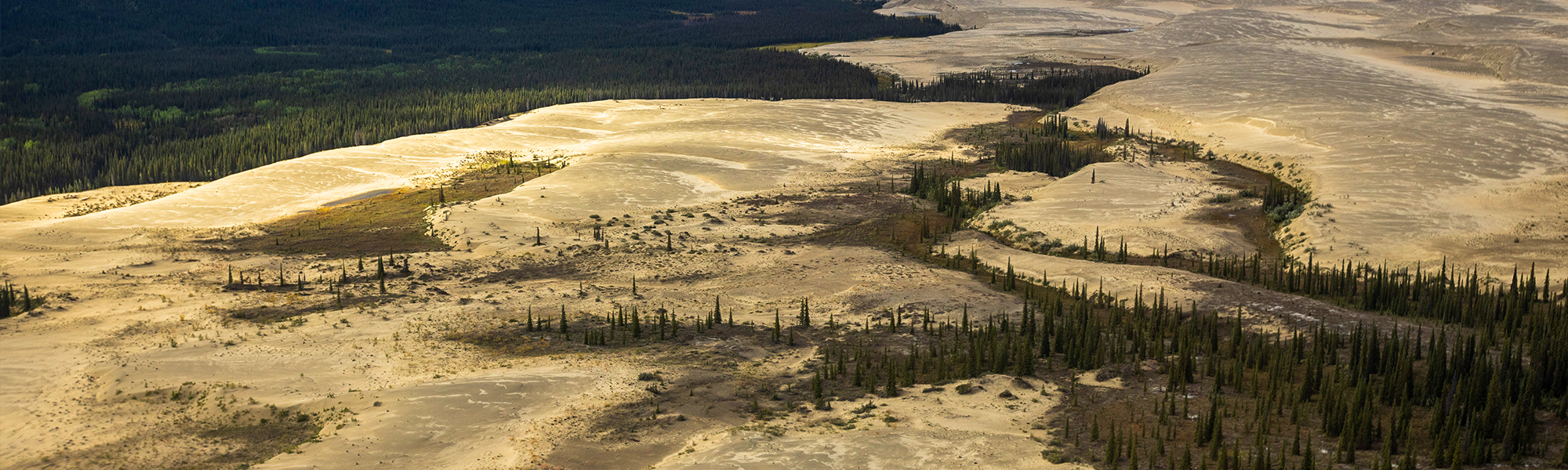
Great Kobuk Sand Dunes—Covering 25 square miles, these are the largest active Arctic dunes on earth. Wind-shaped ridges rise 100 feet above the tundra, creating a desert-like landscape amidst forested mountains where grizzlies, moose, wolves, and caribou leave tracks in the sand.
2
Kobuk River—Originating in Gates of the Arctic National Park, 61 miles of the 380-mile-long Kobuk River winds through Kobuk Valley National Park, serving as a popular route for backcountry paddling. Float trips range from a few days to over a week, with excellent fishing for Arctic grayling and northern pike under panoramic views of the distant Brooks Range.
3
Onion Portage National Historic Landmark—Named for the wild onions native to the area, Onion Portage marks a narrow stretch in the Kobuk River that caribou consistently swim across during their annual migration, just as they have for millennia. Proven to be an ancient hunting ground for indigenous people, Onion Portage also preserves 10,000 years of human history.
Best time to visit Kobuk Valley National Park
Just by nature of being located in the Arctic Circle, Kobuk Valley National Park is subject to harsh winters and short summers. Generally speaking, summer and autumn are the best times to visit, but unpredictable weather can shift plans without notice, so plan the most buffer time possible when visiting the area.
- Spring (April to May): Spring in the arctic is still very cold, with snow and ice dominating the landscape. But with longer daylight hours returning to the arctic, the caribou migration moves north as grasses thaw out in the frozen tundra.
- Summer (June to August): Summer is the best chance for visiting Kobuk Valley. Daytime highs range from 60–75°F, with 24-hour daylight in June. This is the best season for backpacking, river trips, and exploring the sand dunes. Mosquitoes peak in July and can be persistent.
- Fall (September): Caribou return on their southward migration as tundra turns brilliant red and gold, and the first snowfall often arrives. Temperatures drop quickly below freezing at night. With fluctuating temperatures, weather is often unpredictable making flight charters prone to delays and cancellations. September proves to be an excellent time for aurora viewing as nights darken and weather is relatively still warm.
- Winter (October to March): Winter in Kobuk Valley is dark, frigid, and nearly inaccessible except by chartered plane or snowmobile. Temperatures plunge well below zero, with limited daylight. The park experiences 24-hour nights in December, offering the best chances for aurora viewing.
How long should I visit Kobuk Valley National Park?
Most visitors spend 2–4 days, often as part of a longer trip combining nearby Gates of the Arctic National Park or Noatak National Preserve. A couple of days allows time to explore the dunes and float a short section of the Kobuk River. Longer expeditions of a week or more are common for rafting, backcountry trekking, or wildlife photography.
Getting to Kobuk Valley National Park
As one of the most inaccessible and remote parks in the system, Kobuk Valley National Park requires extra effort to visit. With no roads into the park, all visitors either float into the park along the Kobuk River or fly in from the nearby town of Kotzebue. Alaska Airlines offers daily commercial flights from Anchorage to Kotzebue year-round. There are no rental cars in Kotzebue, but the town is easily walkable, rendering cars unnecessary. However, taxis and shuttles are available for transportation to and from the airport.
Once in Kotzebue, private bush planes will provide access to the park. Flight services often combine day trips into Kobuk Valley with trips into the neighboring Gates of the Arctic National Park, usually allowing a 30-minute touchdown at each destination. While other northern-Alaska towns, like Bettles, offer flights into Kobuk, Kotzebue’s western approach to the park is closest and shortest usually resulting in more time on the ground and cheaper flights. Golden Eagle Outfitters and Arctic Backcountry Flying Service are two popular options based in Kotzebue.
While commercial flights into Kotzebue are usually dependable, chartered flights into Kobuk Valley National Park are not. Plan to spend at least 3 days in Kotzebue to allow some buffer time for reaching the park. Day trips and flight charters are often shuffled around as weather fluctuates.
Where to stay in Kobuk Valley National Park
There are no lodges or campgrounds established in the park boundaries. Backcountry camping is the only form of overnight accommodations. Most people fly out and camp on the dunes for several nights as the easiest option of spending multiple days in the park. Others drop in by plane and packraft the Kobuk River. For those interested in a simple day trip to the park, Kotzebue is your best bet, offering a variety of hotel and rental accommodations—a short plane flight away from the park.
When should I book my trip to Kobuk Valley National Park?
Booking a trip to Kobuk is tricky business. Flight charters and day trips in the summer months fill quickly so plan to book at least 4–6 months in advance, but are not typically open for scheduling until after winter months. Check in with flight services in early February for the best chance of securing a summertime flight. Guide services for float trips and backpacking trips typically suggest 9–12 months advance reservation, booking a year out.
On the other hand, lodging in Kotzebue is not severely competitive. Vacation rental homes and hotel rooms are generally open in the spur of the moment.
A Note on Trip Insurance: Remote Alaskan vacations are not only expensive, but also precarious. Inclement weather can delay and cancel plans. Most lodges and flight services do not reimburse for weather challenges unless they specifically cancel your reservation. Simply put, there are no refunds for no-shows if your flight to Alaska is delayed or canceled. So trip insurance might be a good idea if traveling during inclement weather months or have tight connections. For example, even though Kotzebue was bright and sunny, my chartered flight to Kobuk Valley was almost cancelled due to fog and rain in the park. Thankfully, a short window of time opened for us to fly out and touch down on the dunes. I learned bush planes are often spontaneous in their flight times so expect to be “on-call” and flexible if weather rolls in.
How much should I budget for Kobuk Valley National Park?
Kobuk Valley is a remote expensive park to visit. A 3–5 day trip booked 9 months in advance can cost roughly $2,500 depending on your required needs. To keep costs down, consider camping overnight or traveling with a group of family or friends to share the costs of lodging, flight charters, and rental cars. Here is a range of what to expect:
| Roundtrip Airfare to Kotzebue | $700–1,000/person |
| Roundtrip Charter to Great Kobuk Sand Dunes | $1,000/person |
| Lodging (Kotzebue) | $250–$400/night |
| Multiday Guided Trip | $4,000–$7,000/person |
| Meals | $20–$30/meal |
| Entrance Fee | FREE |
Packing list for Kobuk Valley National Park
Each park requires different gear for its unique characteristics. For Kobuk Valley National Park, we wouldn’t want to be caught without hiking shoes, warm layers, bug spray or bug net, rain coat, a hat, binoculars, and sunglasses.
Want to learn more? Check out my detailed trip report for a peek into my trip to Kobuk Valley.
For more detailed information on Kobuk Valley National Park, visit the official park website.

Looking for more?
To view more photos of this park and the rest of America’s 63 national parks, check out my Park Portraits project.