Est. 1980 | Alaska | 2,619,816 acres
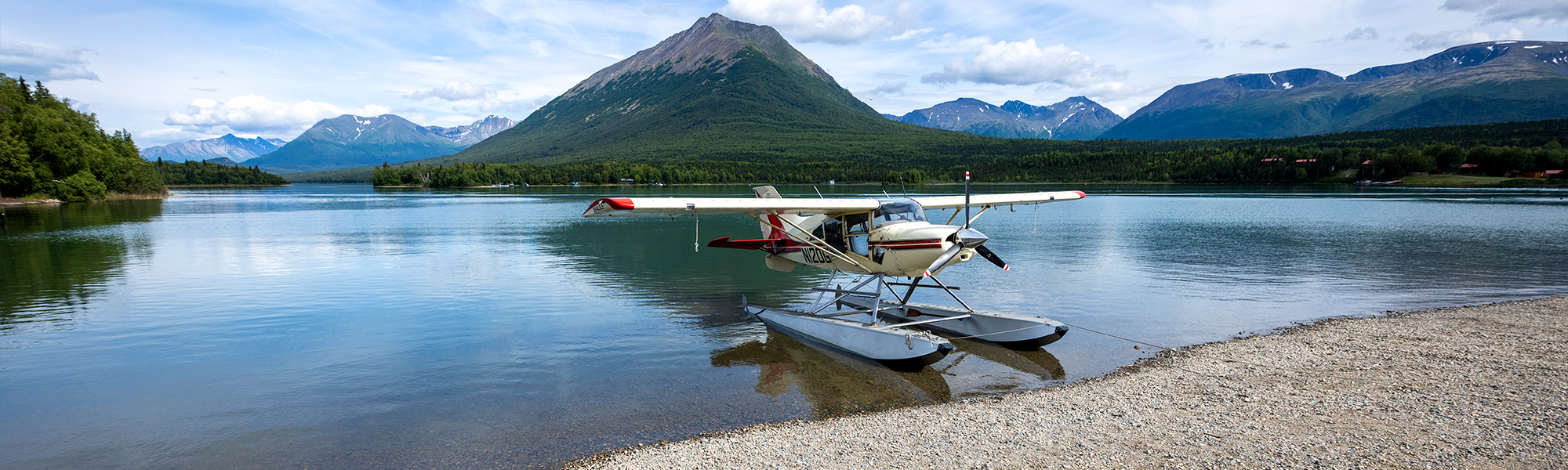
Wild, vast, and remote, Lake Clark National Park & Preserve is one of Alaska’s most diverse landscapes—combining turquoise glacial lakes, active volcanoes, salmon-rich rivers, coastal brown bear habitat, and towering mountain ranges. Despite its size and beauty, it remains one of the least visited national parks in the U.S., making it a haven for solitude and adventure.
Located about 100 miles southwest of Anchorage, Lake Clark can only be reached by plane or boat, preserving its wilderness character. The park includes two distinct regions: the mountainous interior surrounding Lake Clark itself, and the coastal lowlands along Cook Inlet, where bears roam tidal flats and salmon streams. Port Alsworth, a small isolated resort town on the shores of Lake Clark, acts as the main hub for the park hosting the only visitor center and acting as a launch point for the park’s few maintained trails and activities.
To the north of Port Alsworth lies Twin Lakes, the infamous site of legendary settler Dick Proenneke’s handmade cabin. Though not well developed and only accessible by float plane, this site is a favorite among visitors—so much so that despite its isolation, park rangers staff the destination all summer long.

Must-see highlights in Lake Clark National Park
1
Tanalian Mountain Trail—This strenuous 8.6-mile roundtrip hike starting in Port Alsworth transports visitors through black spruce and birch groves to a high alpine tundra atop Tanalian Mountain, a centrally located peak overlooking Lake Clark. The summit provides sweeping views of the entire lake on eye level with approaching aircraft.
2
Tanalian Falls—Also launching from Port Alsworth, this moderate 4-mile roundtrip hike rewards visitors with a thundering 30-foot waterfall accessible from both above and below. This hidden gem is one of Lake Clark’s iconic landmarks. For extra credit, continue past the falls to access Lake Kontrashibuna, a smaller lake cradled at the foot of Tanalian Mountain.
3
Richard Proenneke Historic Site—Nestled on the shores of Upper Twin Lake, the hand-built log cabin of Richard Proenneke—made famous in the documentary Alone in the Wilderness—is a living symbol of self-reliance. Tour the grounds and discover how Dick survived the harsh wilderness alone with only a few tools and a heart of determination. Accessible only by floatplane, this historic area is a pilgrimage site for wilderness lovers all around.
4
Teetering Rock Trail—Starting at Proenneke’s cabin, hike an easy 1-mile path up above spruce forests to a well-balanced boulder deemed “Teetering Rock”. The vantage point of Teetering Rock grants panoramic views of Upper Twin Lake, one of Lake Clark’s most spectacular vistas. In late summer ripe blueberries line the mountainside, offering a sweet snack for the hike back.
5
Chinitna Bay—As one of the park’s premier brown bear viewing areas, dozens of bears feed on clams and sedge grass in the tidal meadows every summer. The indomitable 10,000-foot Iliamna Volcano looms in the background of this tranquil coastal scene. This area of the park is accessible by small plane from Homer or Soldotna.
Best time to visit Lake Clark National Park
As with all of Alaska’s parks, Lake Clark is best visited in late summer (late-July through August) when facilities, trails, and transportation is in full swing, though other times of year have their own perks such as solitude, pricing, and northern lights.
- Spring (May to June): Spring comes later in Alaska than the lower 48. Even though crowds are lower and shoulder season is cheaper, facilities do not fully open until June. Melting snow opens lower trails in late-May making for muddy conditions. Wildlife also emerges at this time, and bear activity increases in the park. Be especially on the lookout for mothers with cubs. While Chinitna Bay is regarded as one of the best bear viewing destinations in the world, Port Alsworth rarely sees bear activity.
- Summer (July to August): Summer is short but the days are long at this latitude. While temperatures are warming up (50–70°F) rain is frequent. Late-July tends to be the best window for bear viewing, fishing, boating, and hiking as daylight lasts 18+ hours and weather is more dry than normal. However, be warned. Mosquitos are out in full force in summer months.
- Fall (September): Fall largely occurs in the single month of September. Brilliant tundra colors the mountainsides red and yellow. Active wildlife prepare for winter, and crowds begin to dwindle. The one downside to an autumn visit is weather can be unpredictable, with snow possible as soon as early September, especially at high altitudes.
- Winter (October to April): Winter in Lake Clark is quiet, frigid, and logistically challenging. This time of year is excellent for photography and northern lights. Like the rest of the year, the park is still accessed mainly by bush plane. Year-round residents of Port Alsworth charter weather-dependent flights daily throughout the winter so access is not impossible, but simply requires advanced and flexible planning.
How long should I visit Lake Clark National Park?
A 3–5 day visit is ideal to justify the cost and logistics of flying in. Many visitors schedule day trips from Homer or Anchorage for bear viewing, but staying multiple days allows time for fishing, hiking, and exploring different parts of the park. A simple bear-viewing trip can take a single day, but more remote sections and trails require at least 2 or 3 days. I suggest lodging in Port Alsworth and venturing throughout the park over 3 days: one day to explore Twin Lakes, a second day to hike the Tanalian Trails, and a third day to visit Chinitna Bay by bush plane.
Getting to Lake Clark National Park
Lake Clark is extremely remote. With no established roads into the park, all visitors must charter flights to reach Port Alsworth, Chinitna Bay or Twin Lakes. As the undesignated hub of Lake Clark, Port Alsworth offers daily flights to and from Anchorage on small private airlines. Lake Clark Air and Lake and Peninsula Airlines are two Port Alsworth-based companies that charter flights into and around the park. Though located outside the park on Lake Iliamna, Rainbow River Aviation is another reputable airline servicing the southwest Alaska region.
Once inside the park, expect to walk everywhere. There are no roads and therefore no rental cars. Port Alsworth, the most developed portion of the park, is only a mile long making trails and activities very accessible on foot. All other destinations (Chinitna Bay, Twin Lakes, and Crescent Lake) are only accessible by plane and do not require any transportation upon arrival.
Where to stay in Lake Clark National Park
Lodging—There are a number of lodges dispersed throughout the park on private land. Port Alsworth has the highest concentration of accommodations, but other areas offer a more remote lodge experience. Here are some top recommendations:
- Wilder B&B—(Port Alsworth) 3 full-service cabins, open year-round
- The Farm Lodge—(Port Alsworth) several cabin-style rooms, open June–September
- Windsong Wilderness Retreat—(Twin Lakes) 1 full-service cabin, open June–September
- Bear Mountain Lodge—(Chinitna Bay) several cabin-style rooms, open year-round
Campground—Lake Clark has no established campgrounds within park boundaries. Port Alsworth has one privately-owned campground. Backcountry camping near Twin Lakes and Port Alsworth is free but requires self-sufficiency and bear-safe food storage. Consult a ranger station for more information and trip planning advice.
- Tulchina Adventures Campground—3 sites (tent only), open May–September
When should I book my trip to Lake Clark National Park?
Because Alaskan summers are short and popular, Lake Clark accommodations book up very fast. It is recommended booking at least 6 months in advance and in some occasions up to a year in advance for highly competitive destinations like The Farm Lodge and Windsong Wilderness Retreat. Flights for popular dates such as weekends and holidays can book up quickly in July and August. Book your lodging and flight as early as January since summer schedules start to fill up by the end of February.
As a general rule of thumb, pricing tends to remain the same for the entire summer season, so booking early or late does not normally affect cost, though lodging and flights trend more expensive with each consecutive year.
A Note on Trip Insurance: Remote Alaskan vacations are not only expensive, but also precarious. Inclement weather can delay and cancel plans. Most lodges and flight charters do not reimburse for weather challenges unless they specifically cancel your reservation. Simply put, there are no refunds for no-shows if your flight to Alaska is delayed or canceled. So trip insurance might be a good idea for you if traveling during inclement weather months or have tight connections. For example, my chartered flight to Port Alsworth was almost in jeopardy since my flight to Anchorage was nearly delayed an entire day due to plane maintenance. If you don’t plan to pay for Trip Insurance, consider building a day of margin at the start and end of your trip to account for any mishaps.
How much should I budget for Lake Clark National Park?
Lake Clark is an expensive park to visit. A 3–5 day trip booked 12 months in advance can cost at least $2500 depending on your required needs. To keep costs down, consider backcountry camping overnight or traveling with a group of family or friends to share the costs of lodging and airfare. Here is a range of what to expect:
| Roundtrip Airfare to Anchorage | $350–$500 |
| Roundtrip Airfare to Port Alsworth | $500–$600 |
| Day-trip Charter to Twin Lakes | $1,500–$2,000 |
| All-Inclusive Lodging | $400–$1,000/night |
| Front-country Campsite | $30–$250/night |
| Backcountry Campsite | FREE |
| Meals (Port Alsworth) | $15–$30/meal |
| Entrance Fee | FREE |
Packing list for Lake Clark National Park
Each park requires different gear for its unique characteristics. For Lake Clark National Park, we wouldn’t want to be caught without hiking shoes, a water bottle, warm layers, bug spray, rain coat, a hat, binoculars, and sunglasses.
Want to learn more? Check out my detailed trip report for a peek into my trip to Lake Clark.
For more detailed information on Lake Clark National Park, visit the official park website.

Looking for more?
To view more photos of this park and the rest of America’s 63 national parks, check out my ParkQuest project.